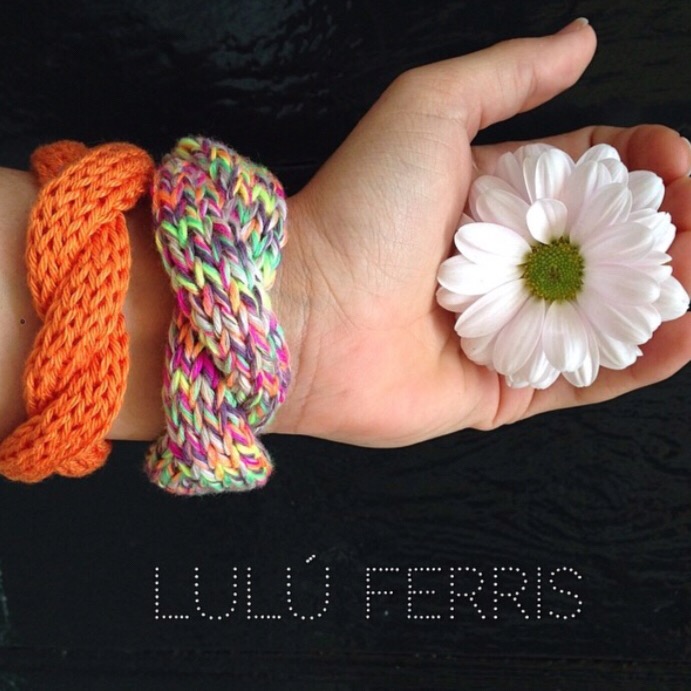
 At Lulú Ferris, we always like to stay positive and make the most of life. But sometimes it’s inevitable that we get a little serious. Today’s post isn’t one of those where we tell you how to make beautiful things, but rather how those beautiful things you make can create a small change in the world.
It’s like throwing a stone into the middle of a lake and watching the ripples grow and reach farther and farther. On other occasions, we’ve talked to you about everything behind the movement Do it yourself: it’s a way of being in society that is more responsible and caring toward the world, both environmentally and from a human perspective.
It wasn’t that many years ago that the story of little Iqbal Masih shocked the world: handed over by his family to a carpet factory to settle a debt taken on to pay for his brother’s wedding, he remained enslaved for years, working endless shifts of more than twelve hours, chained to the loom where he worked. He was only 5 years old when his life stopped belonging to him and became merely a tool of production for the profit of others.
 Can you imagine it?
Iqbal managed to escape that nightmare when he was 10 years old, rescued by a workers’ front, and became an icon who championed the fight against child slavery until he was killed three years later. It’s a very sad story, but it happens every sin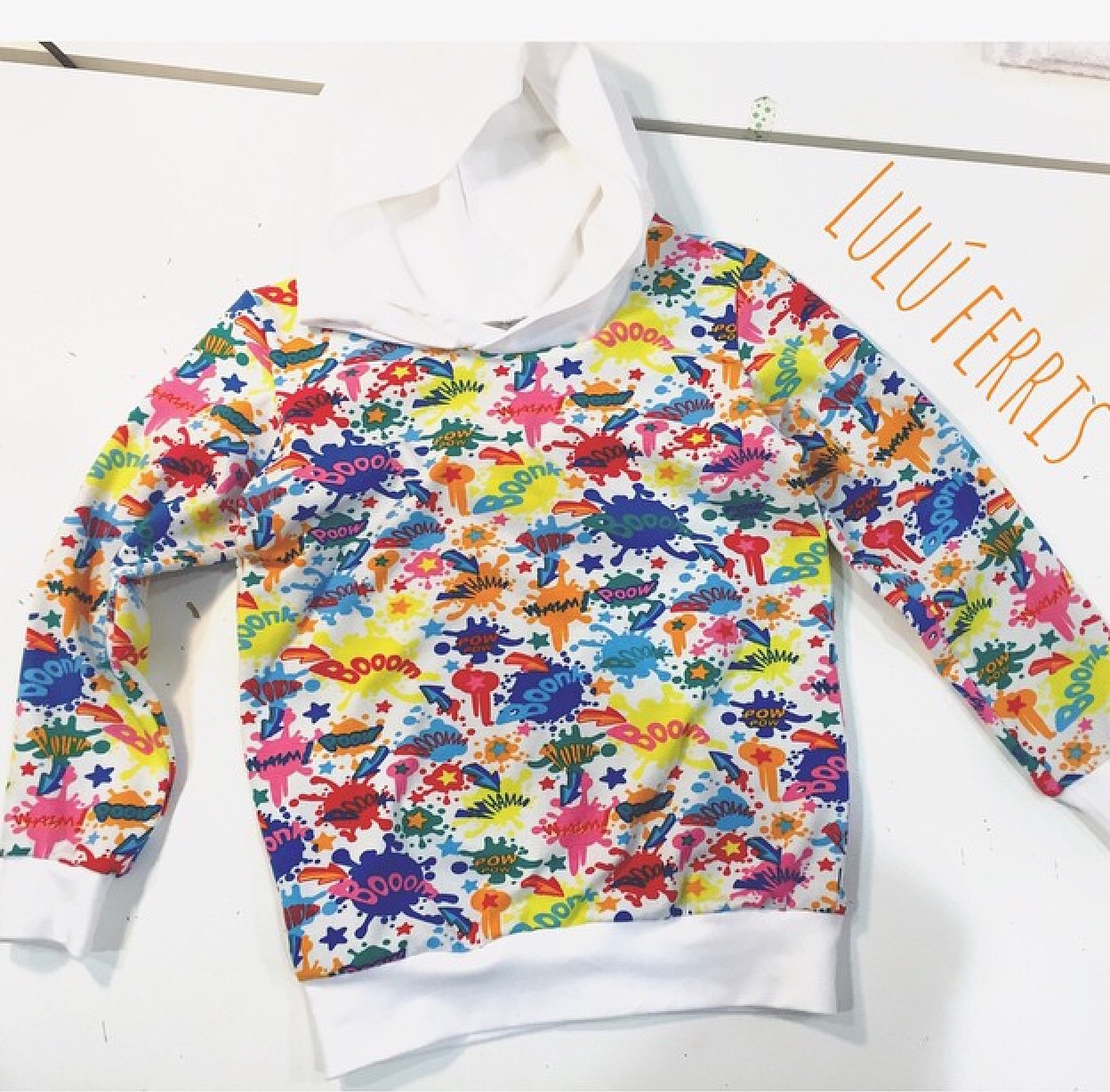 gle day to millions of boys and girls who live enslaved under the same conditions.
You should see the look on kids’ faces when you tell them under what conditions the clothes they’re wearing were made…
Educating responsible consumers isn’t just about teaching them how to manage money; it’s something much deeper. It means showing them what happens in the world and trying to instill in them the desire to change it. And for that, all you need to do is show them a little bit of reality, even though sometimes we adults are the ones who stubbornly refuse to see it.
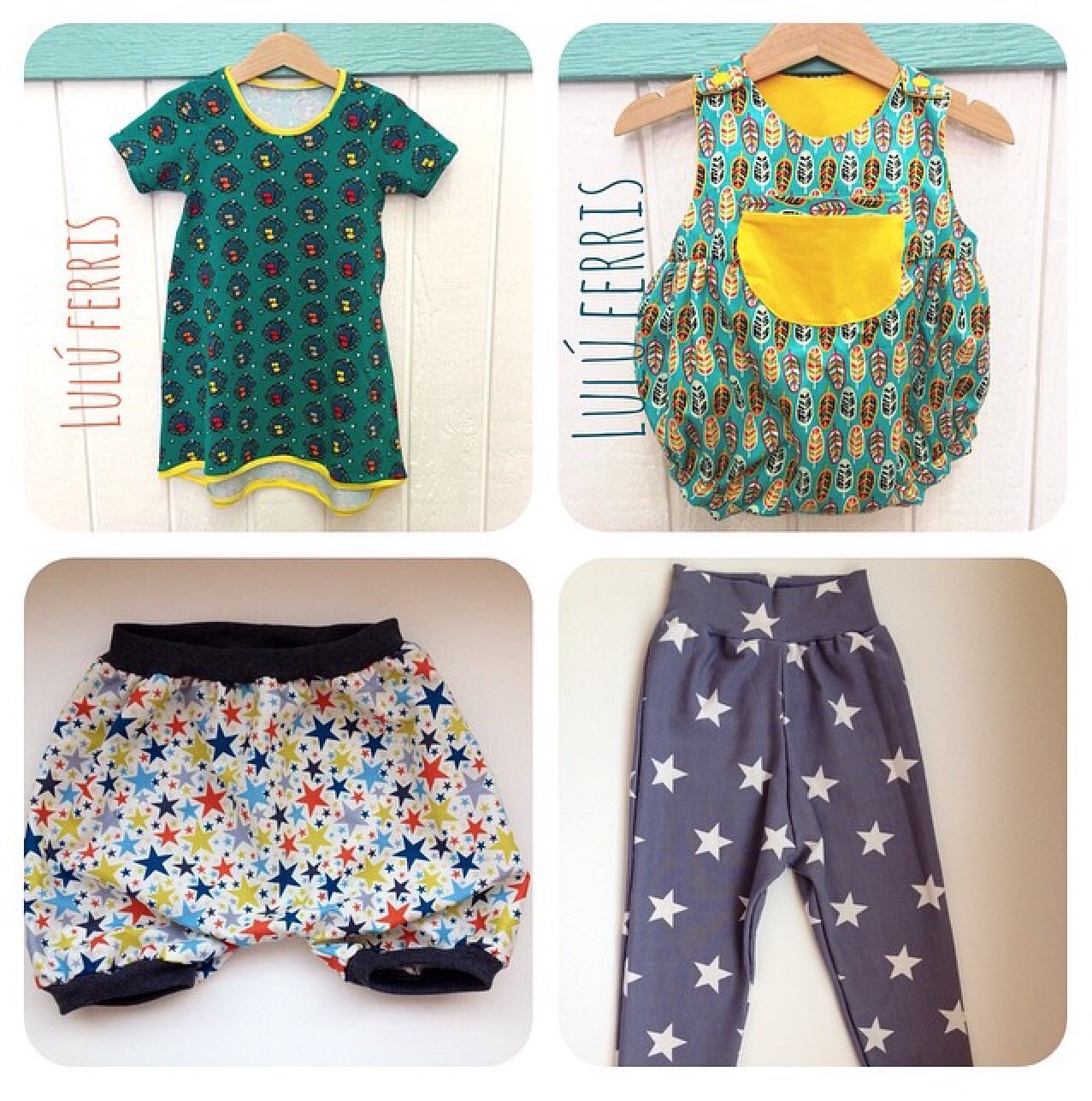
The DIY movement is a way to escape that endless cycle of exploitation and a wasteful economy, as we explained in the post about organic cotton. When you’re the one making a garment to dress your little ones, make sure they understand what that piece of fabric worked with your own hands means.
Make sure you understand it yourself so you can explain it. It’s a combination of many values brought together in a unique, personal object: creativity, affection, independence, respect, nonconformity, sustainability…
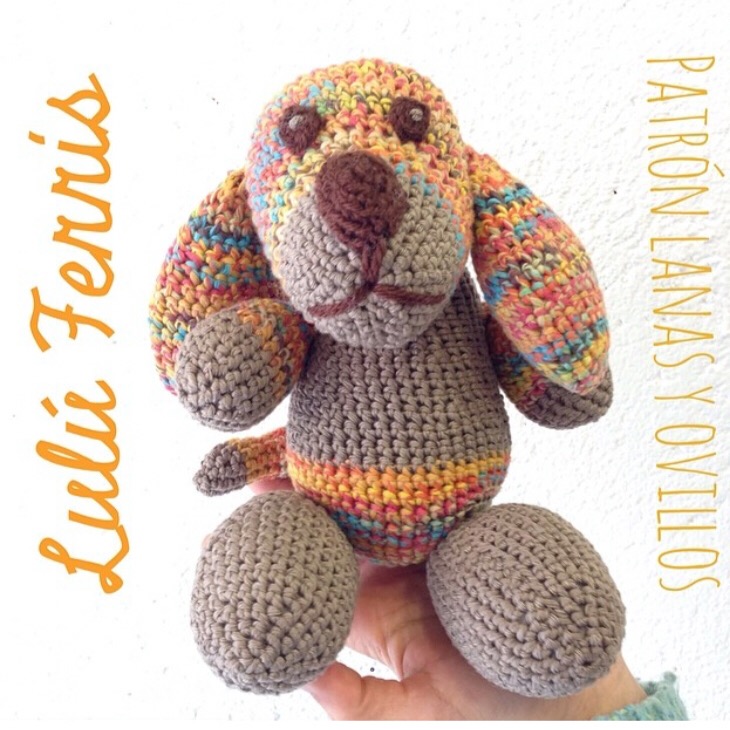 Although our fabrics may be able to tell stories, they can also tell many truths and many real stories. Some, like Iqbal’s, should never be repeated, and educating our children so they don’t continue that terrifying chain is essential. But first, we have to educate ourselves.
You can start with our May courses: the difference between buying something ready-made and investing that money in learning to make it yourself is claiming a little piece of freedom.
Come enjoy it with us, and teach your loved ones about it every day.