
Every day, we’re becoming more aware of how important it is to reduce our consumption, especially of single-use plastics, but also our overall consumption of every kind of product. We live in a world where buying, buying, and continuing to buy has become normal, but…

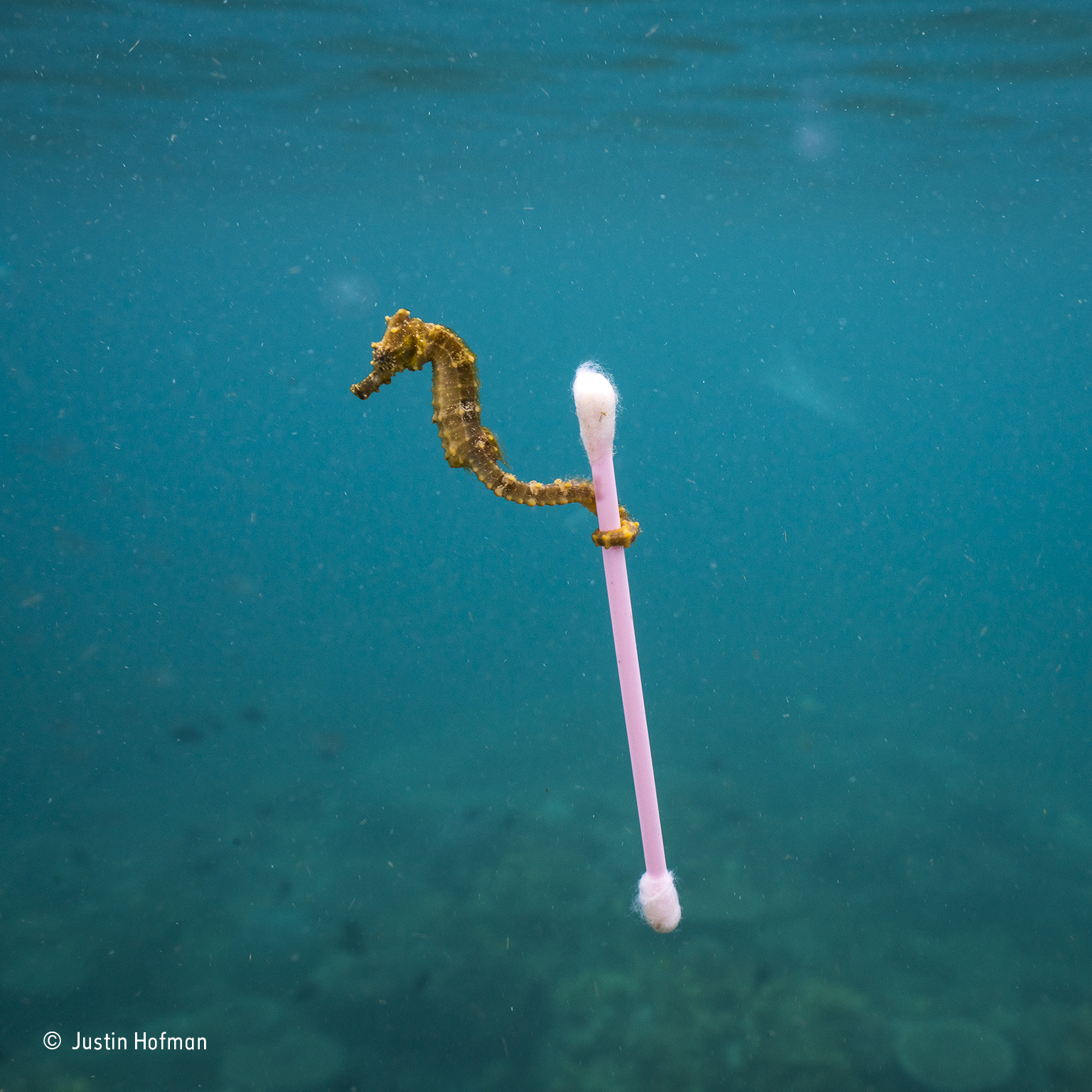
A small sea horse grabs onto garbage in Indonesia. This tiny sea horse drifted through our snokeling site along with a raft of tide-driven trash, especially bits of plastic. It was a heartbreaking scene that perfectly summed up my experience in Indonesia.
What do we really need? Half the things we consume end up in a trash bin after a few months or years, once we’ve gotten tired of them or decided to buy something new and throw away what is already “old.” Not to mention how much food we buy that ends up in the trash with the same packaging it came in because it expired before we had time to eat it.
Polluting plastics have flooded our daily lives. We can find them in the packaging of all kinds of products, in cosmetics, construction materials, textiles—everywhere.
But today, we’re not here to give you frightening figures or percentages. Instead, we’re here with some tips and solutions for reducing consumption in our daily lives and in the sewing world, too :)
1. Buy less and more consciously.
This is the first piece of advice, and the hardest to put into practice—we know. We need to try to pay a little more attention to the materials used in the little things we buy, as well as the fabrics that steal our hearts. We all get swept away by infatuation and love at first sight when we see a product that drives us crazy and suddenly creates a real “need” in us. In that case, let’s really try to give that new romance of ours a long life and not let it become yet another one of those things we never needed.
2. Do our shopping with our own bags or cart.

Whether we’re buying fabric, food, or just a loaf of bread, let’s try to bring our own bags.
We have some tutorials that could be perfect for making your own shopping bags, such as the lined Tote Bag with a pocket that we have in Lulu Ferris. Or, if you prefer a simpler style, we have the basic Tote Bag on YouTube.
We also have two fabric-bag designs for buying and storing bread in Lulu Ferris. Super easy and adorable.
3. Avoid packaged products; buy more in bulk.
More and more stores are selling in bulk, and it’s the best alternative for reducing plastic. We should not only try to avoid products packaged in non-recyclable plastic or look for greener alternatives, but also get used to not wrapping food in materials that are toxic to food.
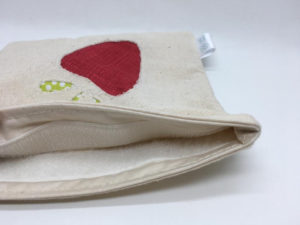
For that, we recommend a couple of tutorials that are very practical and that, once you discover them (if you don’t already know them), you’ll love because of how practical and easy they are.
The sandwich holder, and the snack bag.
Once you make one, you won’t be able to stop—you’ll sew one for the kids, another for yourselves, and even one for your coworker!
4. Read the ingredient lists.
Before buying anything, let’s pay a little more attention to what materials have been used to make it. Let’s try to avoid buying anything that comes in plastic packaging or derivatives… and, of course, anything whose composition includes microplastics.
 Hygiene and cosmetic products are a great example of these kinds of compositions, which is why we need to start using brands that use organic, eco-friendly, and natural materials. We recommend taking a look at Atelier Bio; they teach you how to make natural cosmetics, such as solid shampoo, which, because it comes in a bar, doesn’t need any kind of packaging. Great, right?
They’re absolute sweethearts, and they wanted to give the girls who are members of Lulu Ferris a little something, so if you go to the “discounts and promotions” section, you’ll see the gift.
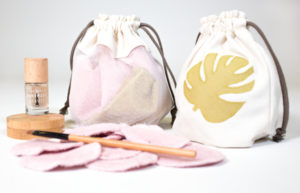
With fabrics, we also need to keep an eye out and try to make sure that the fabrics we use that are made from natural fibers (such as linen, cotton, etc.) are organic.
In the latest Lulu Ferris tutorial, we show you how to make a reusable facial cleansing kit. It’s the ideal accessory to use with your natural cosmetics and creams, and all the fabrics we used for it are completely organic.
So with all these little tips, you have no excuse. Let’s start being more eco-friendly and taking better care of our planet, which is our only home.